
Right of Way Problems in Tennessee: How an Unrecorded Driveway Almost Killed a 20 Acre Land Sale
The Road That Wasn't on Paper: What a 20 Acre Sale Taught Me About Tennessee Land
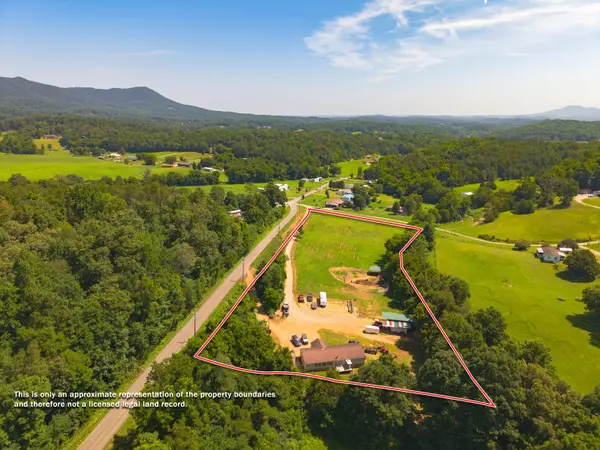
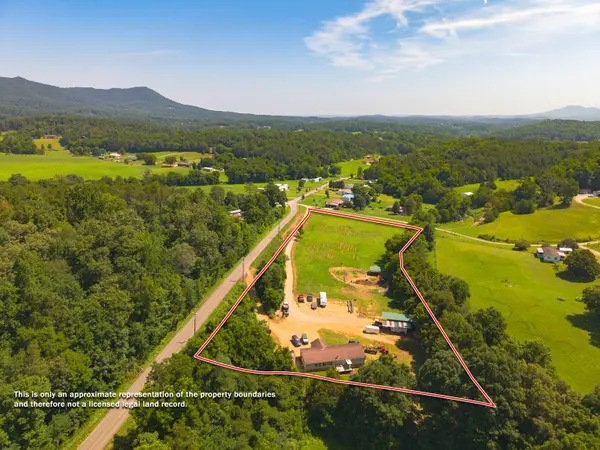
A few months ago, I listed 20 acres in Cocke County. The property had one way in and out. A gravel drive that crossed a neighbor's land.
That drive had been used since the 1950s. Three generations of owners had driven it. Nobody ever questioned it.
Then we got the property under contract, and the title search turned up a problem.
The Drive Was Never Recorded
The right of way had never been put on paper. No deed. No easement. No official record at the courthouse.
My sellers had no idea. They had used that drive their whole lives. So had the owners before them. It never crossed anyone's mind to check.
But title companies check everything. And without a recorded right of way, we could not close.
Why the Neighbor Said No at First
We reached out to the neighbor whose land the drive crossed. He did not want to agree to a formal right of way.
His concerns were reasonable from his side. He worried about liability if someone got hurt on the drive. He worried about being asked to help maintain a road he never agreed to.
So at first, he said no.
Why Tennessee Law Was on Our Side
Here is the part every landowner in East Tennessee should understand.
Tennessee law does not allow a property to be landlocked. If a piece of land has no other reasonable way in or out, the law recognizes a right to access it. This drive had been the only access to the property for close to 70 years.
My sellers hired an attorney. The attorney sent the neighbor a letter explaining the law and the history of use.
Facing a case he would likely lose in court, the neighbor agreed to the right of way. We closed without ever stepping into a courtroom.
What This Means for You
If you own rural land in Cocke, Hamblen, or Jefferson County, ask yourself one question: is your access to your property actually recorded?
Many older properties in our area were passed down through families for generations. The driveways and access roads were never a problem, so nobody ever recorded them.
That is fine, until you try to sell. Or until a neighbor changes their mind.
A few things worth doing now, before you are ever under contract:
- Pull your deed and see if an access easement is listed
- Ask your title company or an attorney to check county records
- If nothing is recorded, talk to an attorney about getting it documented while everyone still agrees
A little paperwork now can save you a stressful negotiation later, right in the middle of a sale.
If you are thinking about selling land in East Tennessee, or you just want to know whether your access is properly recorded, reach out. I am glad to help you get ahead of it.
Categories
Recent Posts