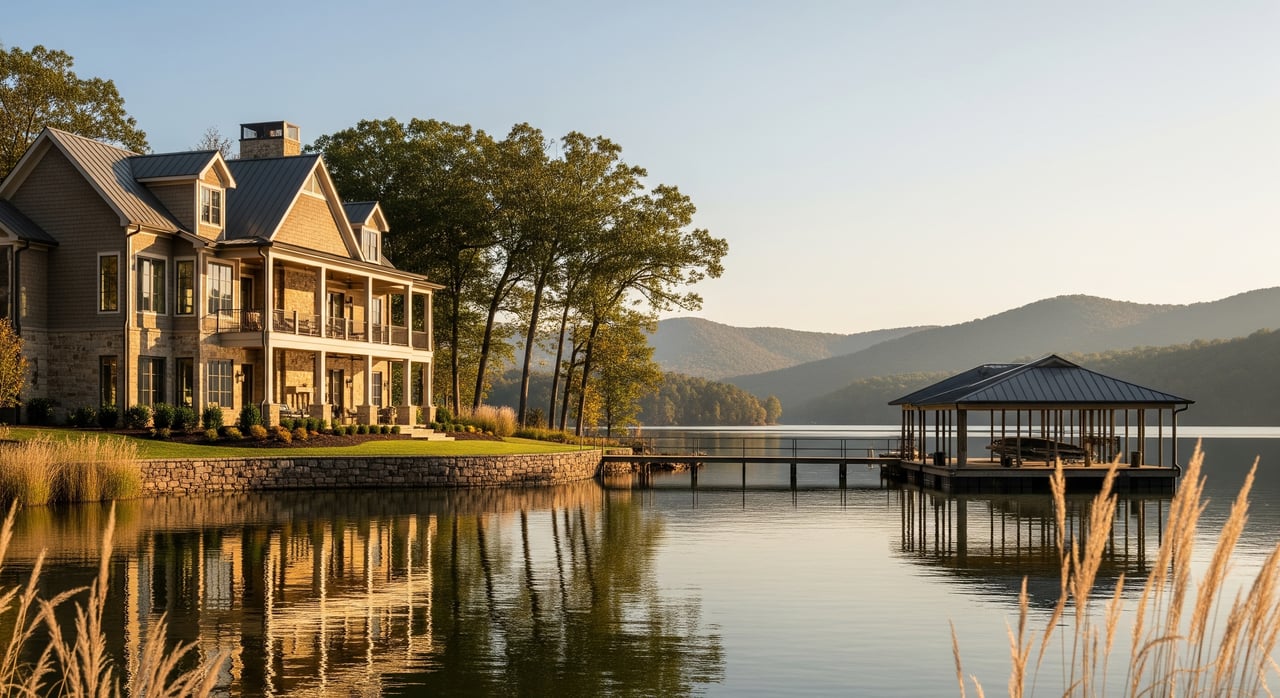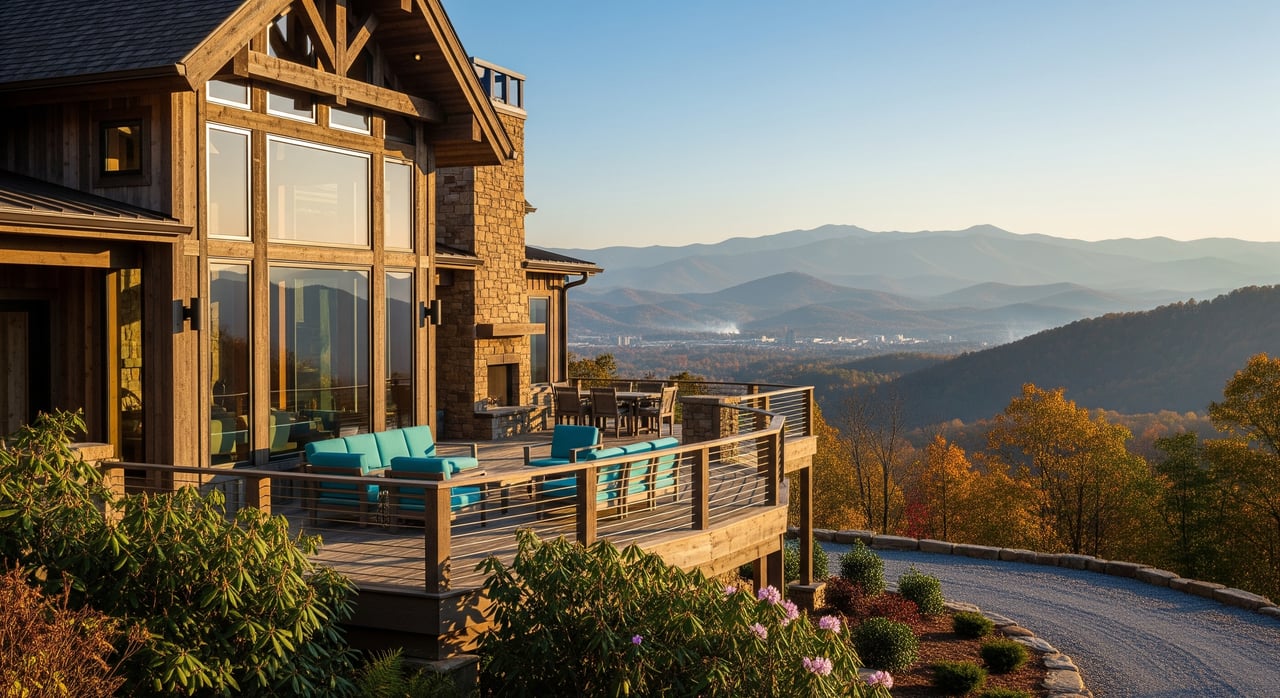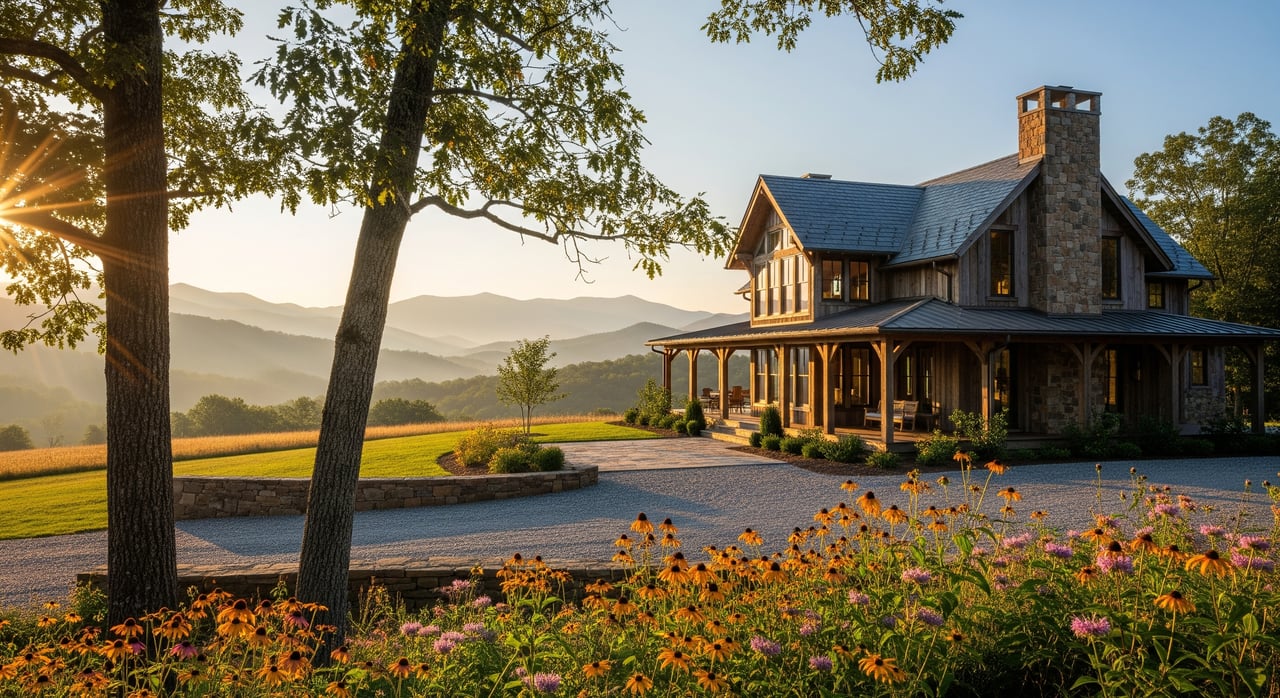
Wondering if a brand-new build or an established resale fits you best in Morristown? You are not alone. Between budgets, timelines, utilities, and warranties, it can be hard to compare apples to apples. In this guide, you will learn how new construction and resale homes stack up in Hamblen County, what to watch locally, and how to make a confident decision for your move. Let’s dive in.
New vs resale at a glance
Choosing between new and resale often comes down to goals, timing, and total cost.
- New construction: Better energy efficiency, modern layouts, and builder warranties. You may customize finishes and enjoy lower near-term maintenance. You also need to plan for build timelines, potential HOA dues, and upgrade costs.
- Resale: Established neighborhoods and landscaping, faster closing, and potential value in a well-kept home. You may plan for inspections, possible repairs, or updates after closing.
Price and total cost in Morristown
In Morristown and greater Hamblen County, price is more than the list number. Ask your agent to pull recent comparable sales from the local MLS to see true market ranges for both new subdivisions and established neighborhoods.
- New construction cost drivers: Base price, upgrades and options, lot premiums, landscaping, utility connection fees, and any impact or amenity setup fees. Builders sometimes offer incentives like rate buydowns or closing credits. Compare the net cost against resale options.
- Resale cost drivers: Inspection findings, near-term updates, and potential system replacements such as roof, HVAC, or water heater. You can often negotiate repair credits or price adjustments based on condition.
- Financing differences: Custom builds can require construction or construction-to-permanent loans, which follow different timelines and documentation than standard mortgages for resale. Know how this affects carrying costs and your closing schedule.
Features and finishes you can expect
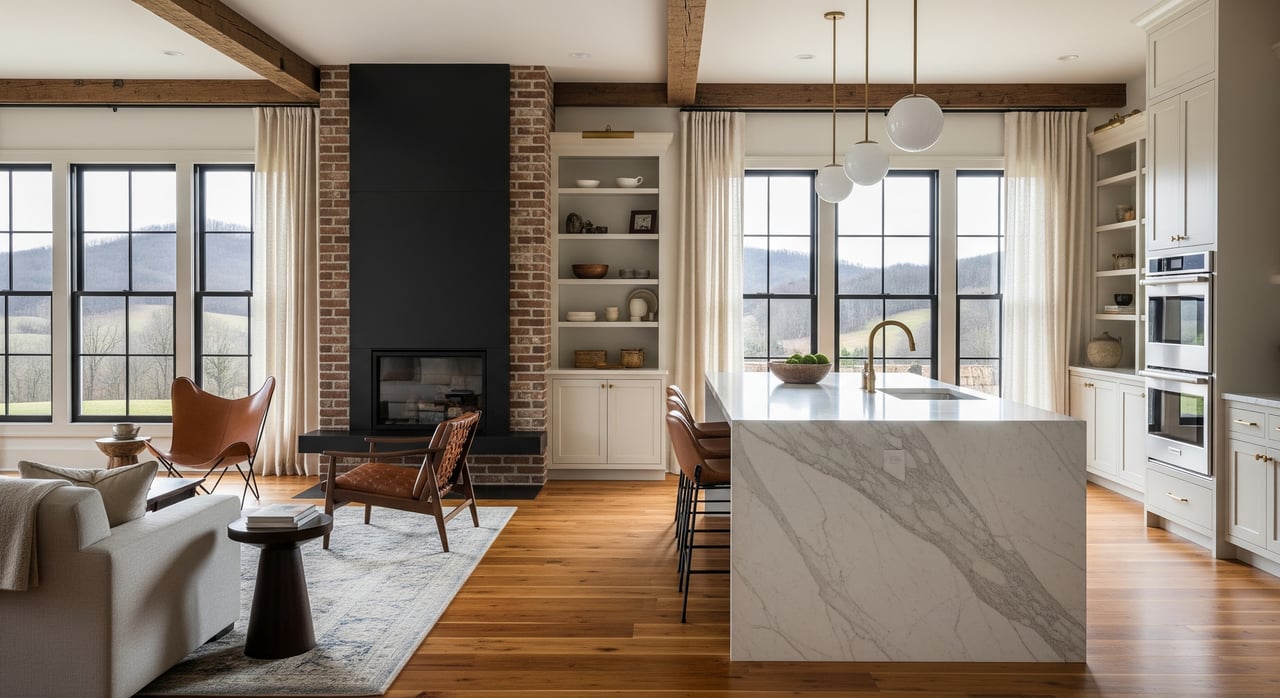
Most new builds offer open floor plans, larger kitchens, and modern mechanical systems. Energy-focused features like efficient HVAC, improved insulation, and LED lighting are common. Some higher-spec homes include smart-home wiring or systems.
Resale homes vary more. Many offer mature trees and established landscaping. You may find architectural character and updated interiors, or you may need to plan for modernization.
Timing and availability
Your timeline is a key deciding factor.
- New construction timelines: Spec homes that are complete or near completion can close in weeks, depending on your lender and inspections. Production builds typically range from about 3 to 9 months, while custom homes often take longer. Permitting, weather, and utility hookups can extend timelines, so ask for builder and lender estimates specific to Morristown.
- Resale timelines: Most financed purchases close in 30 to 60 days, while cash deals can be faster. Your scheduling depends on contingencies like inspection and appraisal.
Inspections and warranties
Even new homes need careful inspection. For new construction, plan independent inspections at key stages such as pre-drywall, mechanical rough-in, and a final inspection. Most builders provide a warranty structure that commonly looks like 1 year on workmanship, 2 years on systems, and 10 years on structural items. Get the warranty terms in writing and confirm the claims process.
For resales, a full home inspection is standard. Pay close attention to roof age, drainage and grading, foundation, and whether the property is on city sewer or a septic system. If needed, add specialized inspections for septic or pests. A home warranty may be available from the seller or as a separate purchase, but coverage varies.
Maintenance, HOA, and lifecycle costs
New construction typically has lower near-term maintenance since the roof and major systems are new. Many new subdivisions include an HOA with monthly or quarterly dues that support common areas or private utilities. New landscaping often needs more care at first, including irrigation.
Resale homes can have higher maintenance needs depending on age and prior updates. Energy costs may be higher unless the home has upgraded systems or windows. Some established neighborhoods have no HOA, which can lower monthly carrying costs.
Resale value and appreciation
Long-term value depends more on location, lot quality, and nearby comparable sales than on new vs resale status alone. A new neighborhood with many similar homes can experience supply pressure if multiple comparable listings hit at once. An established area with limited turnover can hold value well. Thoughtful upgrades and neutral finishes help both new and resale homes compete when it is time to sell.
Local Morristown factors to weigh
Hamblen County has a mix of city and county properties that can affect your budget and daily life.
- City vs county: Confirm if a property is inside the City of Morristown limits or in unincorporated Hamblen County, since utilities, permitting, tax rates, and codes can differ. For parcel data and taxes, consult the Hamblen County Assessor’s Office. For permits and codes, check with the City of Morristown Building and Codes Department or Hamblen County Building and Planning.
- Utilities: Verify whether the property is on city sewer or a septic system. Septic systems require inspection and have replacement costs over time.
- Floodplains and drainage: Review FEMA flood maps and local floodplain designations. New lots may need engineered grading or stormwater management, which adds cost and time.
- Commute and amenities: Proximity to Interstate 81 and regional employers shapes demand. Weigh access to shopping and medical services based on your routine.
- Schools: Zone boundaries can change over time. If schools are part of your decision, confirm current assignments directly with Hamblen County Schools.
- Builder reputation and workmanship: Ask for references, visit completed homes, review warranty claim history, and understand who the builder’s local subcontractors are. Local labor availability and supply conditions in East Tennessee can affect quality and timelines.
How to compare homes: a side-by-side checklist
Use this practical list to compare any new build and resale you tour.
- Price and total costs
- Confirm base price vs final price with upgrades. Estimate taxes and HOA dues. Note any builder incentives and their conditions.
- Lot and location
- Review lot slope, drainage, and tree coverage. Check proximity to roads, shopping, and known floodplains. Confirm city vs county status.
- Timeline and contingencies
- Understand build schedule and buffers for delays. Confirm inspection rights at major stages. Review contract contingencies for both spec and custom builds.
- Financing and escrow
- Clarify if you need a construction or one-time close loan. Ask about lender experience with local builders. Understand how draws and interest work during construction.
- Warranties and post-closing service
- Get warranty terms in writing, including coverage and response times. Ask who handles warranty repairs and how to submit claims.
- Quality and negotiation
- For spec homes, ask about price flexibility or included upgrades. Understand allowance structures and upgrade pricing. Request lien waivers for work completed.
- Inspections and disclosures
- For resale, plan a full home inspection and any needed septic, pest, or roof checks. For new builds, schedule framing, mechanical, and final inspections.
- Long-term costs
- Review expected timelines for replacing big-ticket items. Ask about energy ratings and projected utilities. Understand HOA rules and restrictions.
- Resale comps and marketability
- Review recent comparable sales for both new subdivisions and nearby resale neighborhoods. Compare typical days on market and buyer profiles.
- Legal and title matters
- Confirm restrictive covenants, any unfinished developer obligations, and title insurance details. Check for outstanding developer liens.
Which path is right for you?
If your priority is low immediate maintenance, modern systems, and the ability to choose finishes, new construction may fit. If you prefer a faster move, established landscaping, and potential value in an updated home, resale can be a strong choice. In Morristown, weigh city versus county location, utilities, and how build timelines fit your life.
Whatever you choose, focus on total cost over 5 to 10 years, not just the purchase price. Pair that with a clear look at timelines, inspection rights, and local permitting. With a structured comparison, you will see which option supports your goals.
Ready to talk through your short list or build a plan tailored to your budget and timeline? Reach out to Scottie Hooper to schedule a Free Consultation.
FAQs
Is a new home cheaper to own month to month in Morristown?
- Possibly in the short term due to energy efficiency and lower repair needs, but factor in HOA dues, lot premiums, and potentially higher base price, then run a 5 to 10 year projection.
Do I still need inspections on new construction in Hamblen County?
- Yes, plan independent inspections at pre-drywall and final stages, and do not rely only on municipal inspections.
Can I negotiate with builders on spec homes near Morristown?
- Often yes, especially on completed or near-complete homes or when builders are working toward inventory or sales targets, but leverage varies with local demand.
What should I check for on a resale home in the Morristown area?
- Inspect roof age, drainage, foundation, HVAC, and confirm if the home is on city sewer or septic, adding specialized inspections when needed.
How do I evaluate a builder’s quality in East Tennessee?
- Ask for references, tour completed homes, review warranty claim history, and confirm who the subcontractors are and how issues are handled after closing.